 English
- English
-
 Español
 -
 Português
 -
 русский
 -
 Français
 -
 日本語
日本語 -
 Deutsch
 -
 tiếng Việt
 -
 Italiano
 -
 Nederlands
 -
 ภาษาไทย
 -
 Polski
 -
 한국어
한국어 -
 Svenska
 -
 magyar
 -
 Malay
Malay -
 বাংলা ভাষার
 -
 Dansk
Dansk -
 Suomi
Suomi -
 हिन्दी
 -
 Pilipino
 -
 Türkçe
 -
 Gaeilge
 -
 العربية
 -
 Indonesia
 -
 Norsk
Norsk -
 تمل
تمل -
 český
český -
 ελληνικά
 -
 український
 -
 Javanese
 -
 فارسی
فارسی -
 தமிழ்
தமிழ் -
 తెలుగు
 -
 नेपाली
 -
 Burmese
 -
 български
 -
 ລາວ
ລາວ -
 Latine
 -
 Қазақша
 -
 Euskal
 -
 Azərbaycan
 -
 Slovenský jazyk
 -
 Македонски
 -
 Lietuvos
 -
 Eesti Keel
 -
 Română
 -
 Slovenski
 -
 मराठी
मराठी -
 Srpski језик


The Plasma Cutting Industry Continues to Upgrade: Intelligence and High Efficiency Are Transforming the Metalworking Market
Plasma Cutting technology is becoming one of the most discussed metal fabrication solutions in global manufacturing. As industries face rising labor costs, tighter delivery schedules, and increasing environmental pressure, more factories are turning to high-efficiency plasma cutting systems to improve production speed and material utilization.
From steel structure workshops to automotive factories and heavy equipment manufacturing plants, Plasma Cutting is no longer viewed as only a traditional cutting method. It is now considered a critical part of smart manufacturing and automated production lines.
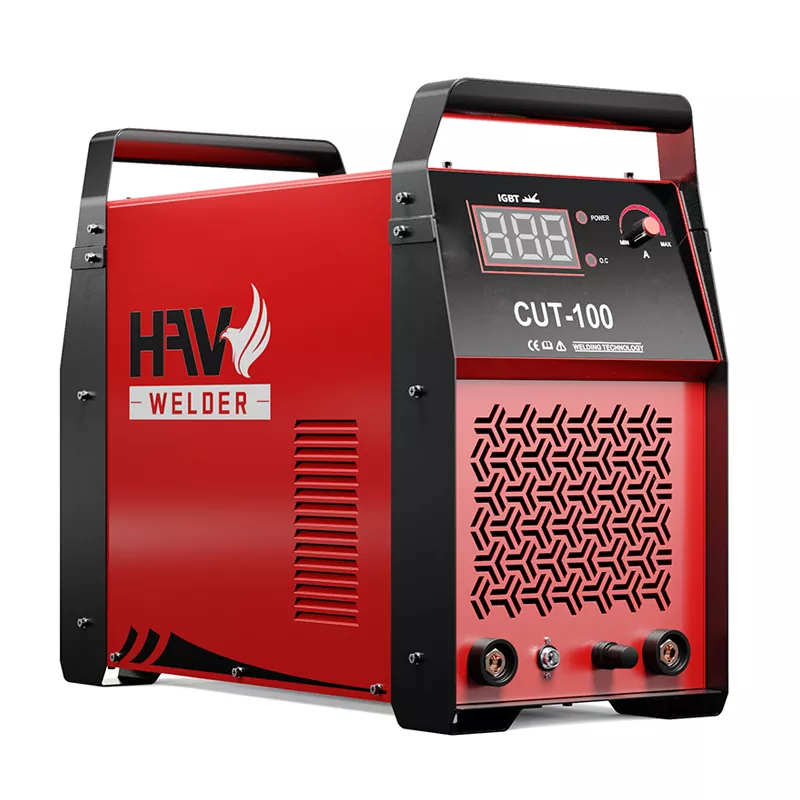
Why Plasma Cutting Remains Popular
Compared with traditional flame cutting, Plasma Cutting offers faster cutting speed, smoother edges, and better flexibility for conductive metals. Manufacturers can process stainless steel, carbon steel, aluminum, copper, and galvanized sheet with high precision while reducing secondary grinding work.
One of the major reasons companies continue upgrading to CNC Plasma Cutting systems is production efficiency. Modern plasma cutting equipment can complete complex cutting tasks in minutes while maintaining stable quality across large-volume orders.
Industry engineers also point out that Plasma Cutting provides a better balance between operating cost and performance compared with some high-power laser systems, especially for medium and thick metal plates.
Increasing Demand from Construction and Heavy Equipment Industries
In recent years, infrastructure expansion and renewable energy projects have significantly increased demand for fabricated steel components. This has pushed many fabrication workshops to modernize their Plasma Cutting production lines.
Large steel processing factories are now integrating:
- CNC automatic nesting systems
- Robotic material handling
- Intelligent cutting path optimization
- Real-time monitoring software
-
Energy-saving plasma power supplies
According to discussions across manufacturing communities and industrial exhibitions, many factory owners are more focused on reducing waste and shortening lead times than simply increasing machine power.
Industry analysts believe this trend will continue as global competition forces suppliers to improve production efficiency without dramatically increasing labor costs.
Typical Plasma Cutting Technical Parameters
| Model | Cutting Thickness | Cutting Speed | Precision | Power Output |
|---|---|---|---|---|
| PC-120 | 1–20 mm | 1–6 m/min | ±0.2 mm | 120A |
| PC-200 CNC | 5–40 mm | 0.8–4 m/min | ±0.1 mm | 200A |
| PC-400 Industrial | 10–80 mm | 0.5–2.5 m/min | ±0.05 mm | 400A |
These specifications may vary depending on gas type, material hardness, machine stability, and operating environment.
Environmental Concerns Are Driving Technology Upgrades
Environmental regulations are becoming another important discussion point in the Plasma Cutting industry.
Traditional metal cutting methods often generate excessive smoke, gas emissions, and material waste. Modern Plasma Cutting systems now focus on cleaner operation through:
- Improved dust extraction systems
- Water table cutting platforms
- Energy-efficient inverter power supplies
- Reduced consumable waste
-
Lower overall electricity consumption
Many manufacturing companies are also promoting green production strategies to meet international procurement requirements, especially for export markets in Europe and North America.
Some industrial buyers now evaluate suppliers not only by price, but also by sustainability performance and factory automation capability.
Skilled Labor Shortage Accelerates Automation
Another hot topic within the fabrication industry is the shortage of experienced machine operators.
Older manual cutting workers are gradually retiring, while younger workers often prefer digital manufacturing environments. As a result, automated Plasma Cutting systems with user-friendly software interfaces are becoming increasingly attractive.
Modern CNC Plasma Cutting equipment allows operators to complete complicated cutting tasks with less manual adjustment. Smart software can automatically optimize cutting paths, reduce plate waste, and improve production consistency.
Industry experts believe that automation will not completely replace skilled workers, but it will significantly change workforce requirements. Future demand will likely increase for:
- CNC programming technicians
- Automation engineers
- Equipment maintenance specialists
-
Industrial software operators
Plasma Cutting vs. Laser Cutting: Ongoing Industry Debate
One of the most active discussions in metal fabrication today is whether Plasma Cutting can continue competing with laser cutting technology.
Laser cutting offers extremely high precision for thin sheet metal, but Plasma Cutting still maintains advantages in several areas:
| Comparison Item | Plasma Cutting | Laser Cutting |
|---|---|---|
| Thick Plate Processing | Excellent | Moderate |
| Operating Cost | Lower | Higher |
| Initial Investment | Lower | Higher |
| Speed for Thick Steel | Fast | Slower |
| Thin Sheet Precision | Moderate | Excellent |
For many medium and heavy fabrication companies, Plasma Cutting remains the more practical investment due to lower operating costs and stronger thick-plate performance.
Future Outlook of the Plasma Cutting Industry
Global demand for efficient metal processing continues to rise alongside infrastructure construction, electric vehicle production, shipbuilding, and renewable energy projects.
Industry observers expect the next generation of Plasma Cutting equipment to focus on:
- Higher automation
- AI-assisted cutting optimization
- Remote equipment diagnostics
- Lower energy consumption
-
Improved precision for complex components
As manufacturing enters a more intelligent and environmentally conscious era, Plasma Cutting technology is expected to remain a key solution for industrial metal fabrication worldwide.
Send Inquiry


X
We use cookies to offer you a better browsing experience, analyze site traffic and personalize content. By using this site, you agree to our use of cookies.
Privacy Policy