 English
- English
-
 Español
 -
 Português
 -
 русский
 -
 Français
 -
 日本語
日本語 -
 Deutsch
 -
 tiếng Việt
 -
 Italiano
 -
 Nederlands
 -
 ภาษาไทย
 -
 Polski
 -
 한국어
한국어 -
 Svenska
 -
 magyar
 -
 Malay
Malay -
 বাংলা ভাষার
 -
 Dansk
Dansk -
 Suomi
Suomi -
 हिन्दी
 -
 Pilipino
 -
 Türkçe
 -
 Gaeilge
 -
 العربية
 -
 Indonesia
 -
 Norsk
Norsk -
 تمل
تمل -
 český
český -
 ελληνικά
 -
 український
 -
 Javanese
 -
 فارسی
فارسی -
 தமிழ்
தமிழ் -
 తెలుగు
 -
 नेपाली
 -
 Burmese
 -
 български
 -
 ລາວ
ລາວ -
 Latine
 -
 Қазақша
 -
 Euskal
 -
 Azərbaycan
 -
 Slovenský jazyk
 -
 Македонски
 -
 Lietuvos
 -
 Eesti Keel
 -
 Română
 -
 Slovenski
 -
 मराठी
मराठी -
 Srpski језик


How Can a MIG Welding Machine Revolutionize Your Metal Fabrication Process?
This article explores how modern welding technology is reshaping manufacturing efficiency, with a deep focus on how a MIG Welding Machine improves welding speed, quality, and operational flexibility across industries. It covers working principles, applications, selection strategies, maintenance practices, and future industrial trends to help engineers, manufacturers, and workshop professionals make informed decisions.
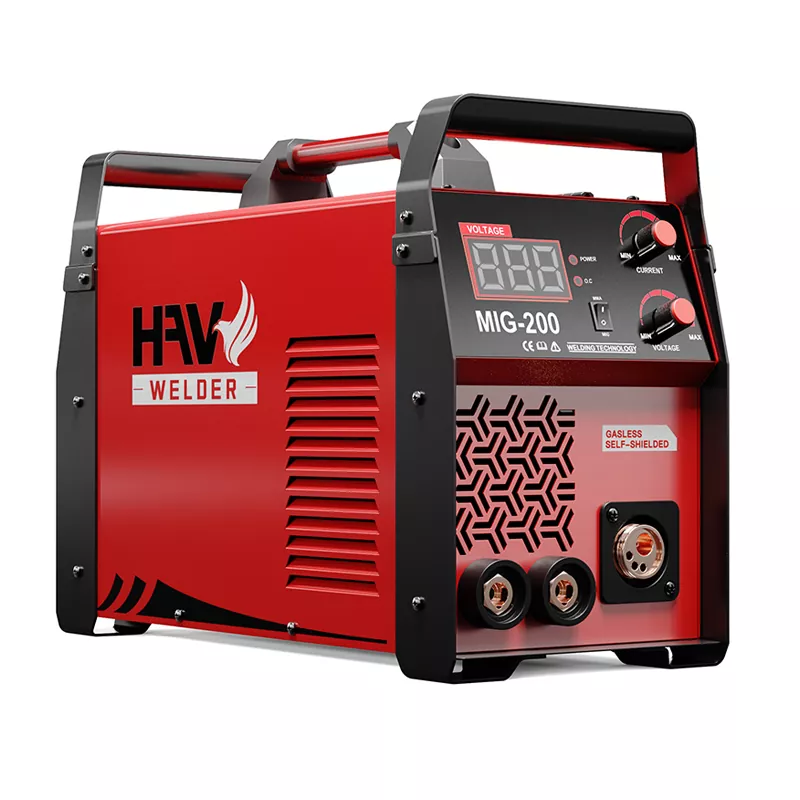
Table of Contents
- Introduction to MIG Welding Technology
- Working Principle of MIG Welding
- Core Structure and Components
- Key Features and Technical Advantages
- Industrial Applications
- Comparison with Other Welding Methods
- How to Choose the Right Model
- Maintenance and Safety Guidelines
- Future Trends in Welding Technology
- Frequently Asked Questions
1. Introduction to MIG Welding Technology
Modern industrial production relies heavily on efficient and reliable joining technologies. Among them, the MIG Welding Machine has become one of the most widely adopted solutions due to its simplicity, speed, and adaptability.
Unlike traditional manual welding methods, MIG welding uses a continuously fed wire electrode combined with shielding gas to create a stable arc and clean weld bead. This allows operators to achieve consistent results even in high-volume production environments.
In today’s competitive manufacturing landscape, the demand for precision and efficiency continues to rise, making MIG welding a preferred solution for both industrial and small-scale fabrication operations.
2. Working Principle of MIG Welding
The working principle behind a MIG Welding Machine is based on electric arc formation between a consumable wire electrode and the base metal. As the wire feeds continuously, it melts and forms a weld pool, which is protected by inert gas such as argon or CO₂ mixtures.
This shielding gas prevents oxidation and contamination, ensuring strong metallurgical bonding.
- Electric current generates a stable arc
- Wire electrode continuously melts into weld joint
- Shielding gas protects molten metal
- Operator controls direction and speed
3. Core Structure and Components
A standard MIG welding system consists of multiple integrated components working together for precision welding performance:
| Component | Function | Importance |
|---|---|---|
| Power Source | Generates welding current | Controls arc stability and penetration |
| Wire Feeder | Feeds electrode wire continuously | Ensures smooth welding process |
| Welding Torch | Directs wire and gas to weld area | Critical for precision control |
| Gas Cylinder | Supplies shielding gas | Prevents oxidation defects |
| Control Panel | Adjusts voltage and wire speed | Optimizes welding performance |
4. Key Features and Technical Advantages
The evolution of welding technology has made the MIG Welding Machine more efficient and user-friendly than ever before. Key advantages include:
- High-speed welding for mass production environments
- Minimal post-weld cleaning due to reduced spatter
- Compatibility with multiple metals such as steel and aluminum
- Digital control systems for precision adjustments
- Stable arc performance even on thin materials
Modern models also integrate intelligent control systems that automatically adjust parameters based on material thickness and wire type.
5. Industrial Applications
The versatility of the MIG Welding Machine allows it to be used in a wide range of industries:
- Automotive manufacturing and repair
- Heavy machinery fabrication
- Construction steel framework welding
- Shipbuilding and marine engineering
- Metal furniture and appliance production
In automotive production lines, MIG welding is often preferred because of its ability to produce consistent welds at high speed, reducing production bottlenecks.
6. Comparison with Other Welding Methods
Compared with TIG and Stick welding, MIG welding provides a more balanced solution for speed and usability.
- MIG Welding: Fast, easy to learn, high productivity
- TIG Welding: High precision, slower process
- Stick Welding: Suitable for outdoor use, more spatter
For most manufacturing environments, MIG welding offers the best combination of efficiency and weld quality.
7. How to Choose the Right Model
Selecting the right MIG Welding Machine depends on several factors:
- Material thickness and type
- Required duty cycle for continuous operation
- Input voltage availability (110V or 220V)
- Portability requirements for field work
- Budget and production scale
Industrial buyers often prefer reliable suppliers such as Taizhou Aotuo Electric Co., Ltd. for stable performance and long-term service support.
8. Maintenance and Safety Guidelines
Proper maintenance ensures long-term efficiency and safety of welding equipment:
- Regular cleaning of torch and nozzle
- Inspection of wire feeding system
- Checking gas leakage and flow consistency
- Replacing worn contact tips
- Ensuring proper grounding connection
Operators should also wear protective gear including gloves, helmets, and flame-resistant clothing during operation.
9. Future Trends in Welding Technology
The welding industry is moving toward automation and digital integration. Future developments include robotic welding systems, AI-assisted parameter optimization, and energy-efficient inverter technology.
These innovations are expected to further improve precision, reduce energy consumption, and enhance productivity across manufacturing sectors.
10. Frequently Asked Questions
Q1: What materials can be welded using MIG welding?
MIG welding can be used on carbon steel, stainless steel, and aluminum, making it suitable for a wide range of industries.
Q2: Is MIG welding suitable for beginners?
Yes, due to its semi-automatic wire feed system, it is one of the easiest welding methods to learn.
Q3: How long does a MIG welding machine last?
With proper maintenance, industrial-grade machines can last many years of continuous use.
Q4: What gas is used in MIG welding?
Common shielding gases include argon, CO₂, or mixed gas combinations depending on application.
Q5: How do I improve welding quality?
Proper parameter settings, clean surfaces, and correct wire selection significantly improve weld quality.
In modern manufacturing, adopting a MIG Welding Machine can significantly enhance production efficiency and welding precision. Whether for industrial-scale fabrication or specialized metalwork, it remains one of the most reliable welding technologies available today.
For advanced welding solutions and professional support, Taizhou Aotuo Electric Co., Ltd. provides trusted equipment designed for durability and performance.
contact us today to explore customized welding solutions and boost your production efficiency.
Send Inquiry


X
We use cookies to offer you a better browsing experience, analyze site traffic and personalize content. By using this site, you agree to our use of cookies.
Privacy Policy